Selma Selman, Víctor Santamarina, Damien Ajavon, Jens Masimov, Morgane Baffier, Jakob Sitter, Ellinor Aurora Aasgaard and Zayne Armstrong. Curated by Una Mathiesen Gjerde.
Contemporary society is built upon the understanding of labor as a necessity, and that the more one produces, the better living one can afford. This illusion has come to dictate our ways of life, relationships, ideas, dreams, and nightmares to the extent that the hunt for profit appears as inescapable. However, as labor has become omnipresent through an escalted amount of technological tools, we do not find ourselves more prosperous; we increasingly spend our time working, yet the profit is nowhere to be seen.
Attempting to exit this grinding-loop, the exhibition Travail Utile, Fatigue Inutilel explores notions of labor and work, from artistic, social, and economical perspectives. Interacting in the same venue, the invited artists and their works draw a multilayered picture of labor and work of the past, present, and future. How do we understand these concepts today? In what way do we envision the future of the workforce? And how can we organize to protect our interests as workers in an ever more precarious world order?
The exhibition gets its title from the British socialist and craftsman William Morris essay, Useful Work versus Useless Toil, published in 1883. To the contrary of common belief, Morris argues that most labor in post-industrial England should not be regarded as productive, but rather as wasteful as it is imposed by what he defines as an exploitative hierarchy, where «(...) the wage earners must always live as the wage-payers bid them, and their very habits of life are forced on them by their masters». This dictation affects not only their work space, but also their homes; as the workers will never afford to consume like their masters. As a result, they have also come to produce endless amounts of non-desirable goods for their own consumption. In the meantime the masters are non-productive, they simply capitalize on the labor of those obliged to work.
Similar to Morris in the late 19th century, we today find ourselves at a crossroads fueled by rapid technological developments. What at first appeared as a promise to lessen the workload, has once again proved itself to just as much be a tool to maximize the profit of the minority at the expense of the general workforce. How do these developments affect the labor market, and our ways of working? And more crucially, how can we face them constructively to avoid a renaissance of the deteriorated worker’s conditions and destruction of nature that came with the revolution of Morris’ days?
The artists of Travail Utile, Fatigue Inutile examine the concept of labor in a broad sense and encourage its audiences to reflect on their relationship to work. By extension, the exhibition is intended as an invitation to reconsider the present-day consumption of labor – where inequalities are growing at a gallop, parallel to a technological development that plausibly will change our definitions of labor and work forever.
VICTOR SANTAMARINA
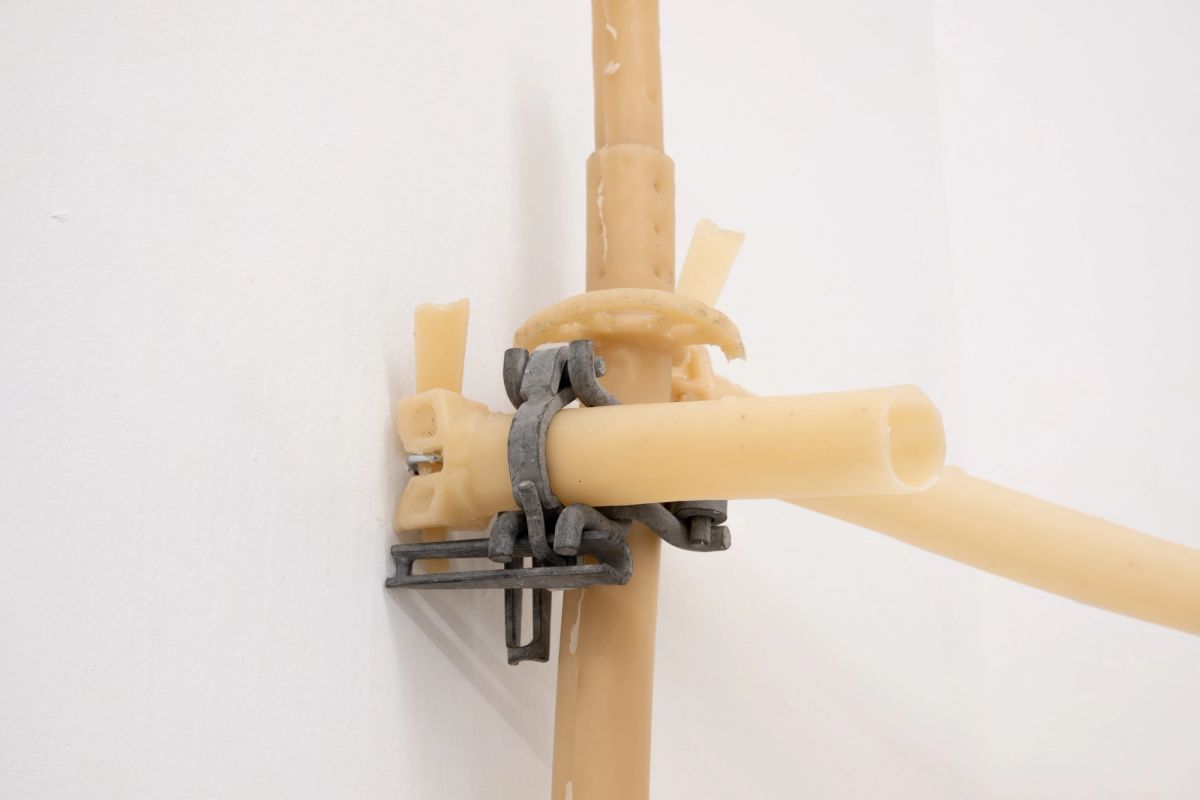
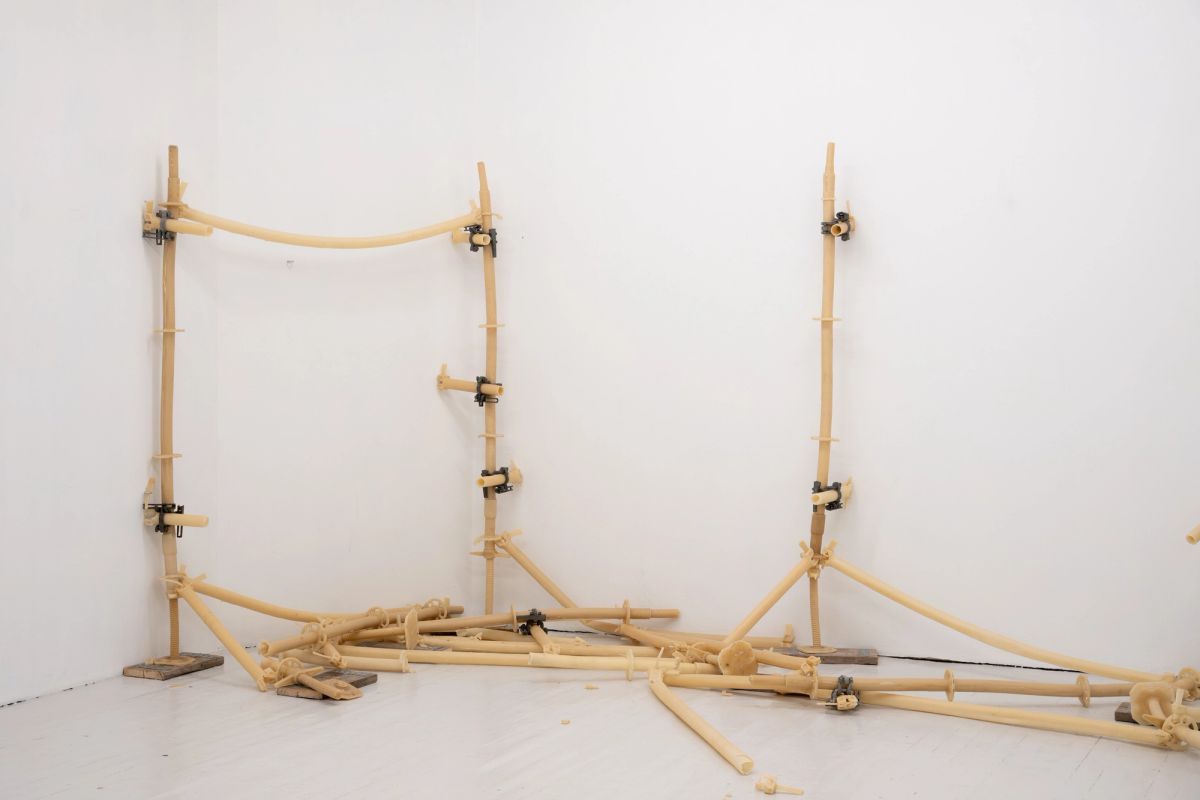
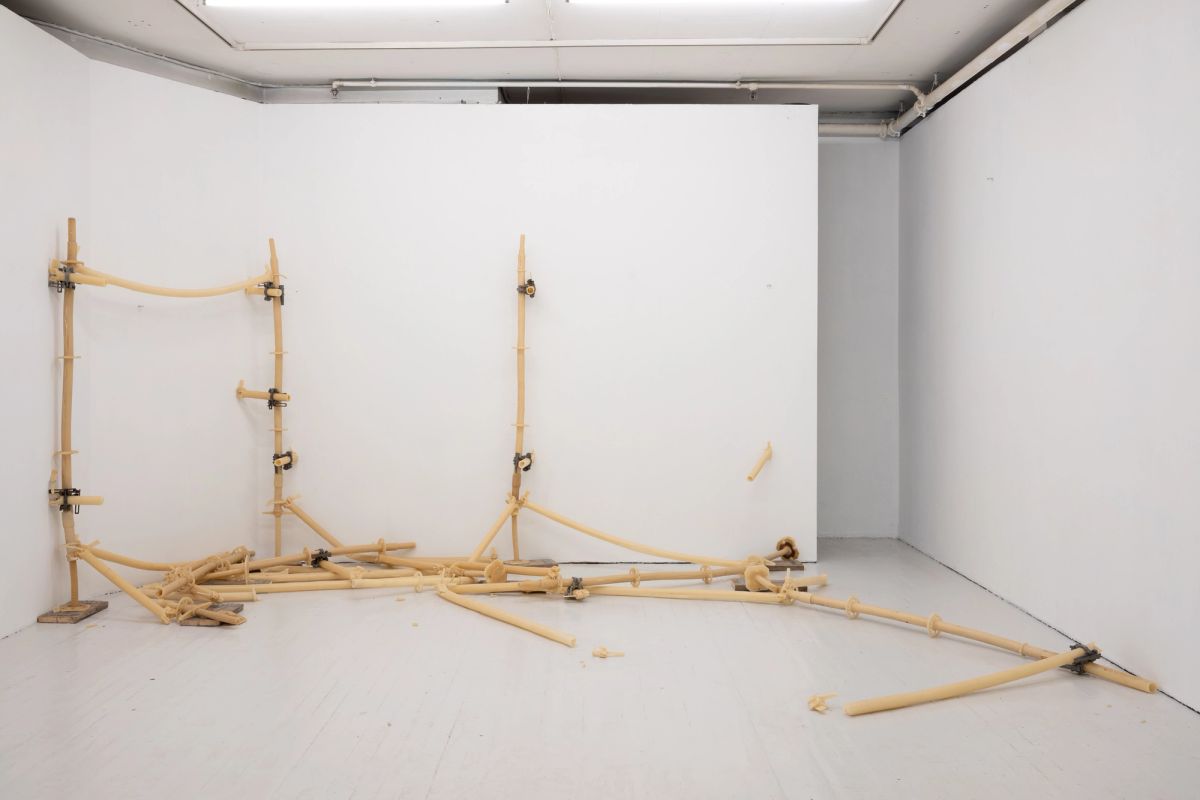
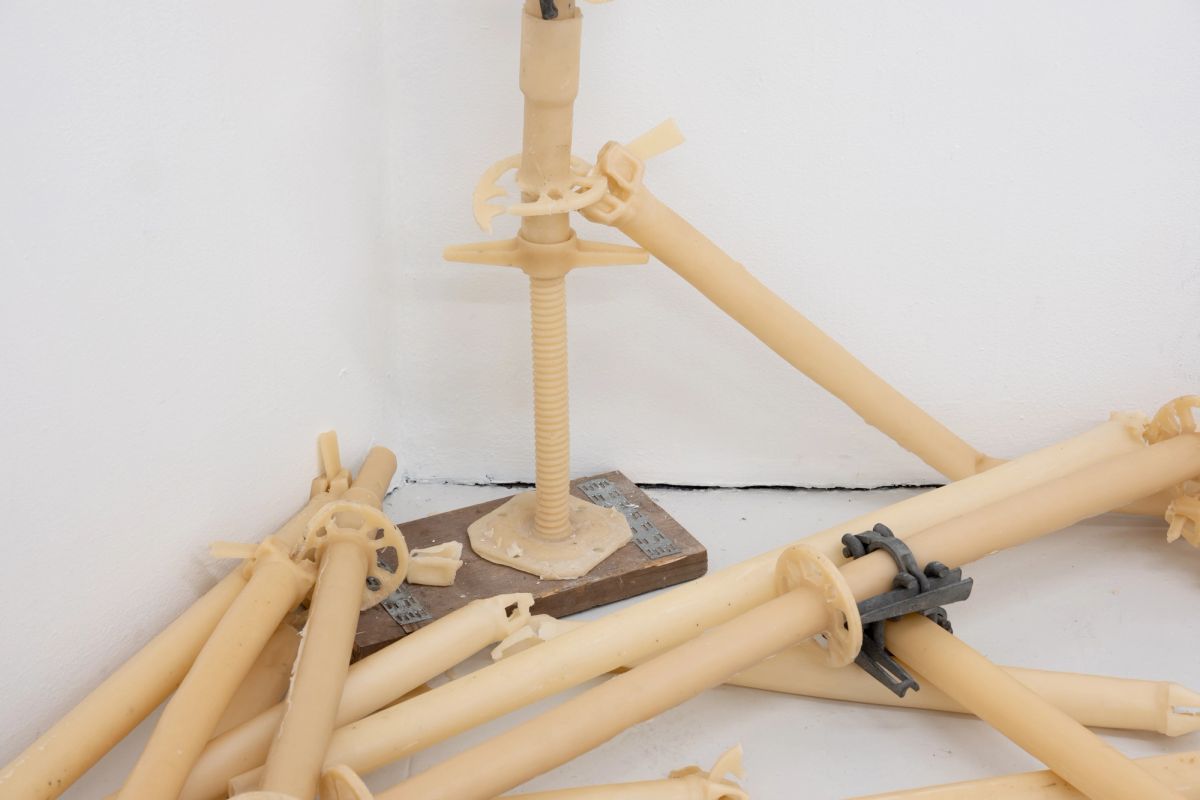
A scaffolding structure is constructed by Víctor Santamarina’s sculptures. Whilst their shape echoes solidity, the chosen material of wax gives the work a fragile appearance. This duality becomes an image of our present-day labor market, where the worker is increasingly precarious, whilst being forced to appear as ever more enduring.
Faced with Santamarina’s work, audiences are asked to re-evaluate the structures that dominate today’s markets, where the people executing the actual work which keeps our systems going, are systematically exploited, whilst a small elite is culminating an increasing amount of intangible capital.
Embodying a tug of war between resignation and resistance, the work reflects the brutal and systematic capitalization of bodies that fuels present economies; despite their effort to hold each other together, Santamarina’s sculptures are collapsing.
DAMIEN AJAVON
As an artist-artisan working at the intersection of visual arts and craft, Damien Ajavon’s practice addresses multiple aesthetical hierarchies. Whilst the high arts, such as painting, sculpture, and drawing, have typically been associated with individual genius, craftier (and often collaborative) expressions, such as textiles, and domestic objects, have typically been seen as lesser than; it’s useful, and thus not “real art”.
This preconception of art is determined by a predominantly male, Occidental canon. Employing various techniques, and materials, Ajavon questions these existing definitions.
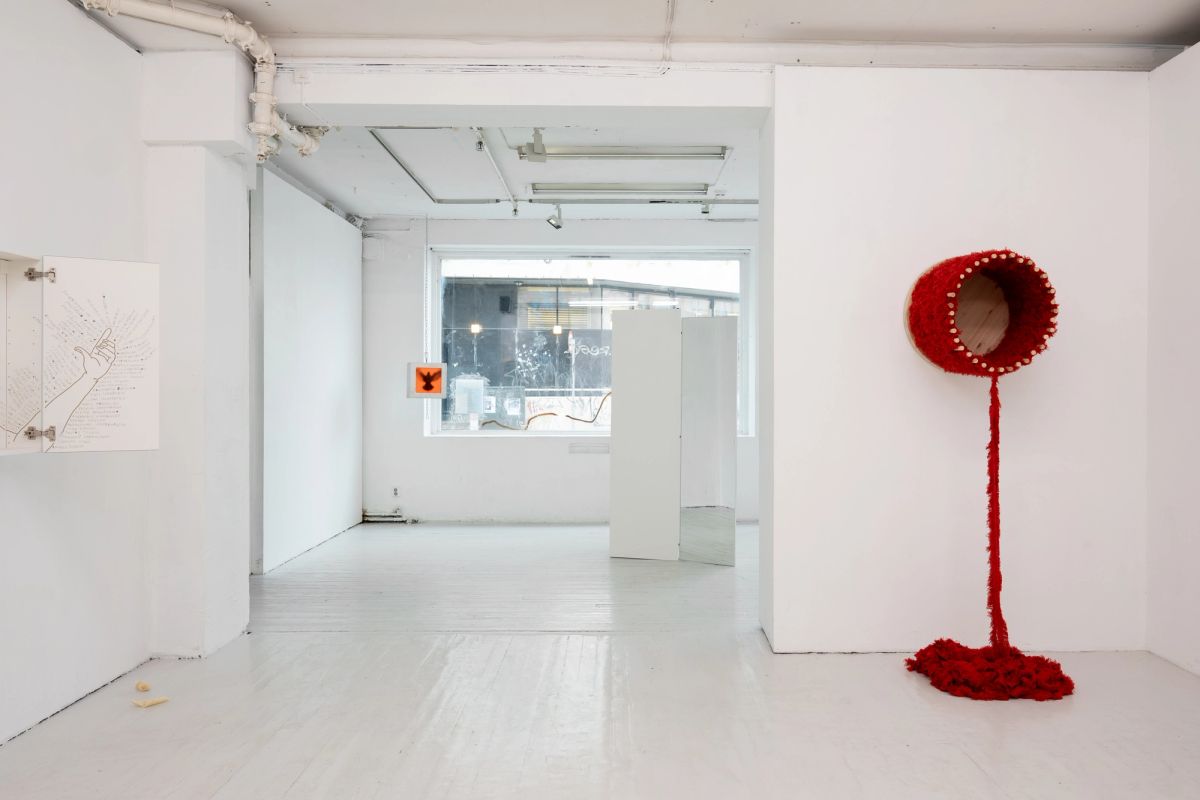
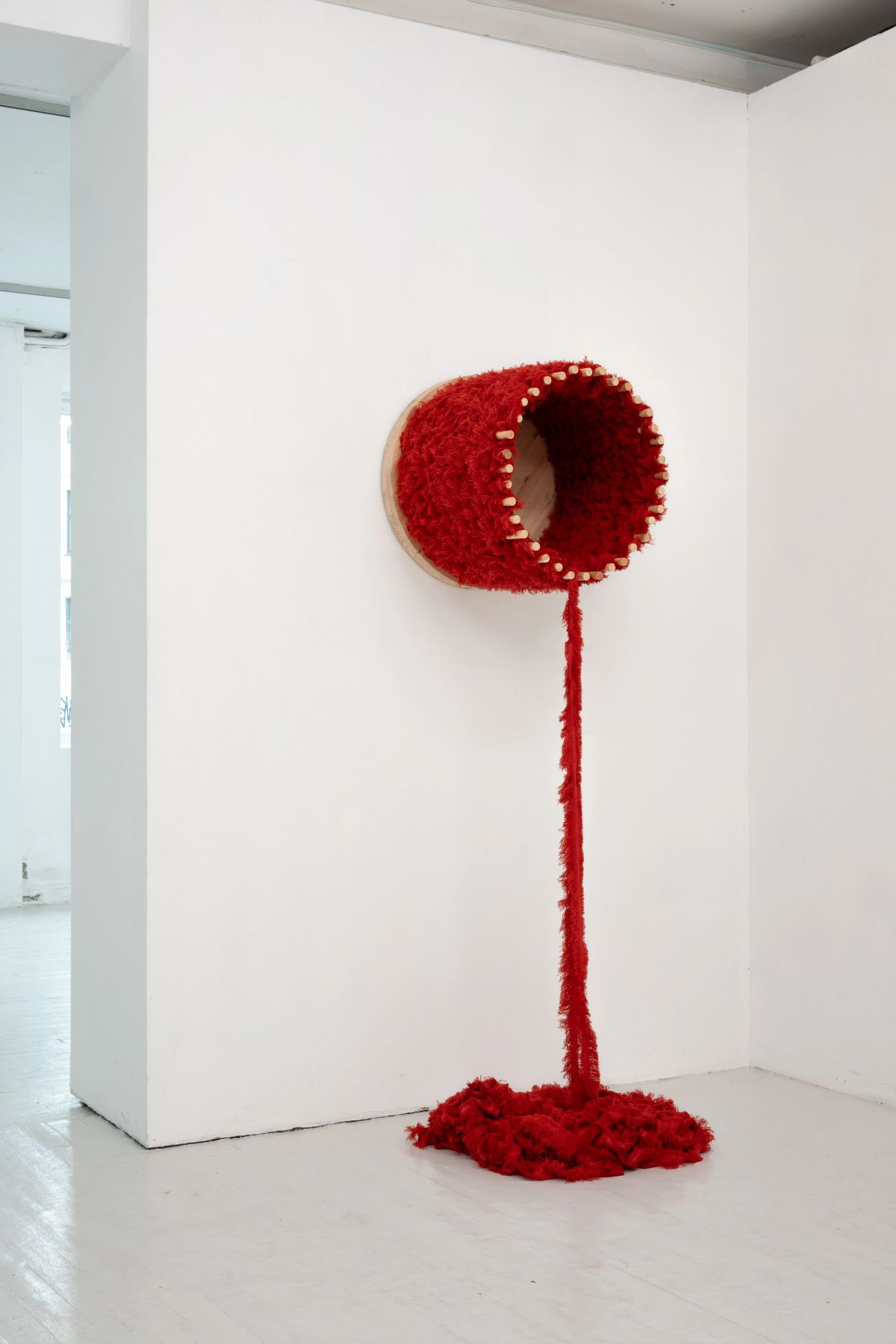
Displayed in this exhibition, is a sculptural loom. Hung on the wall, the work is immediately perceived as a decorative element, however, it is equally carrying a practical function as a peg loom. Reintroducing the peg loom, which in its time was made for indefinite use to later be replaced by single-use but more cost efficient tools, the work questions what is seen as useful and productive. And further, reveals how what we have come to define as technological advancement in reality can equally be understood as a regression.
ELLINOR AURORA AASGAARD & ZAYNE ARMSTRONG
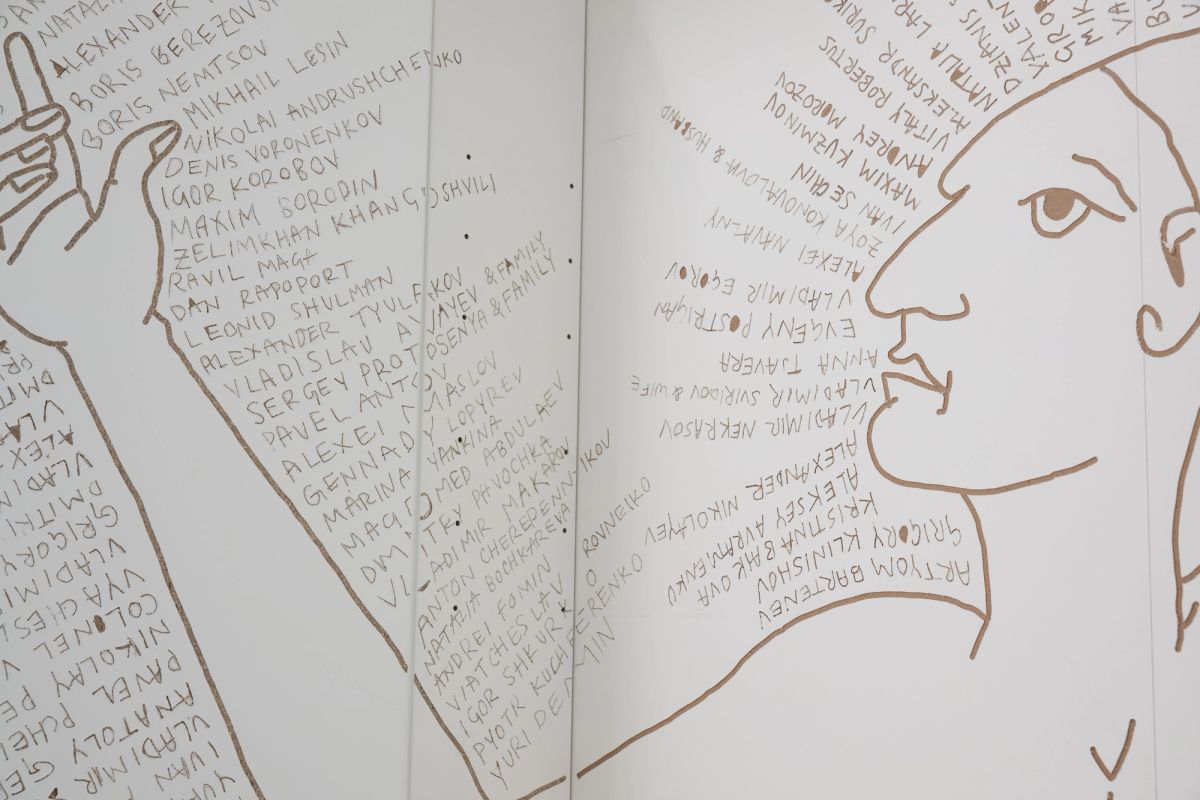
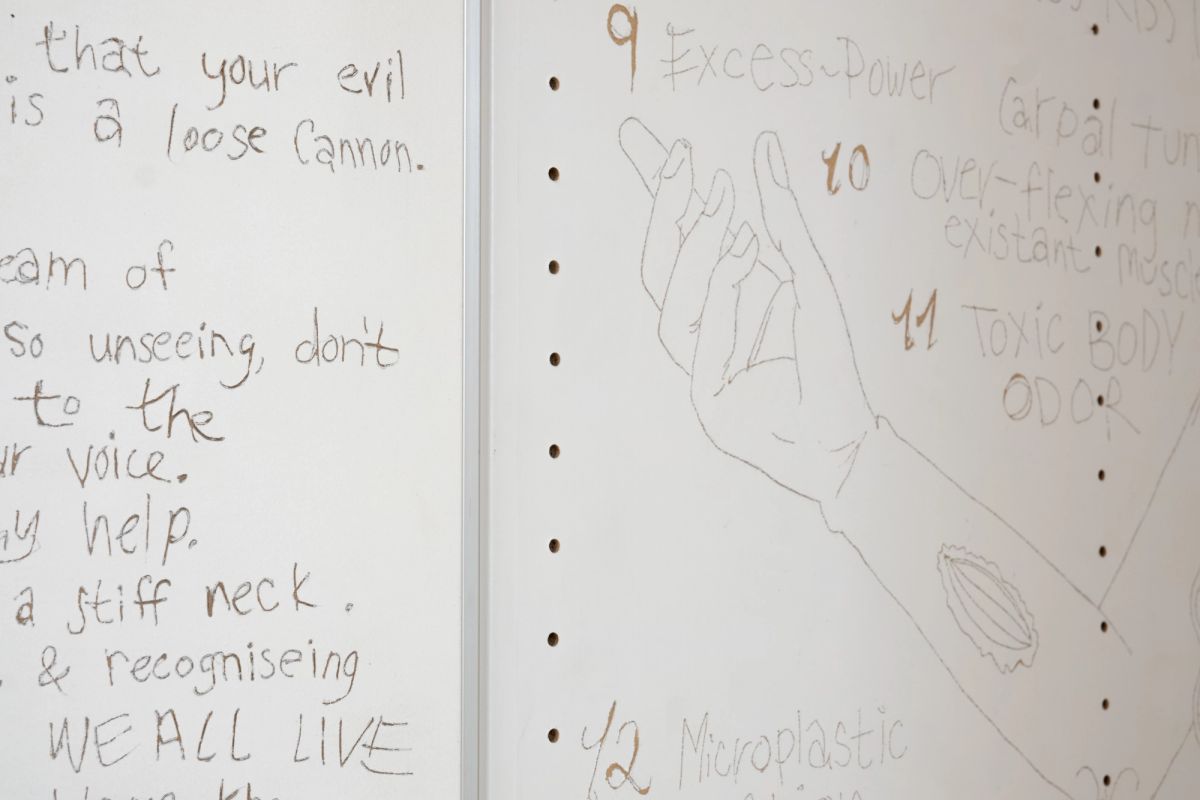
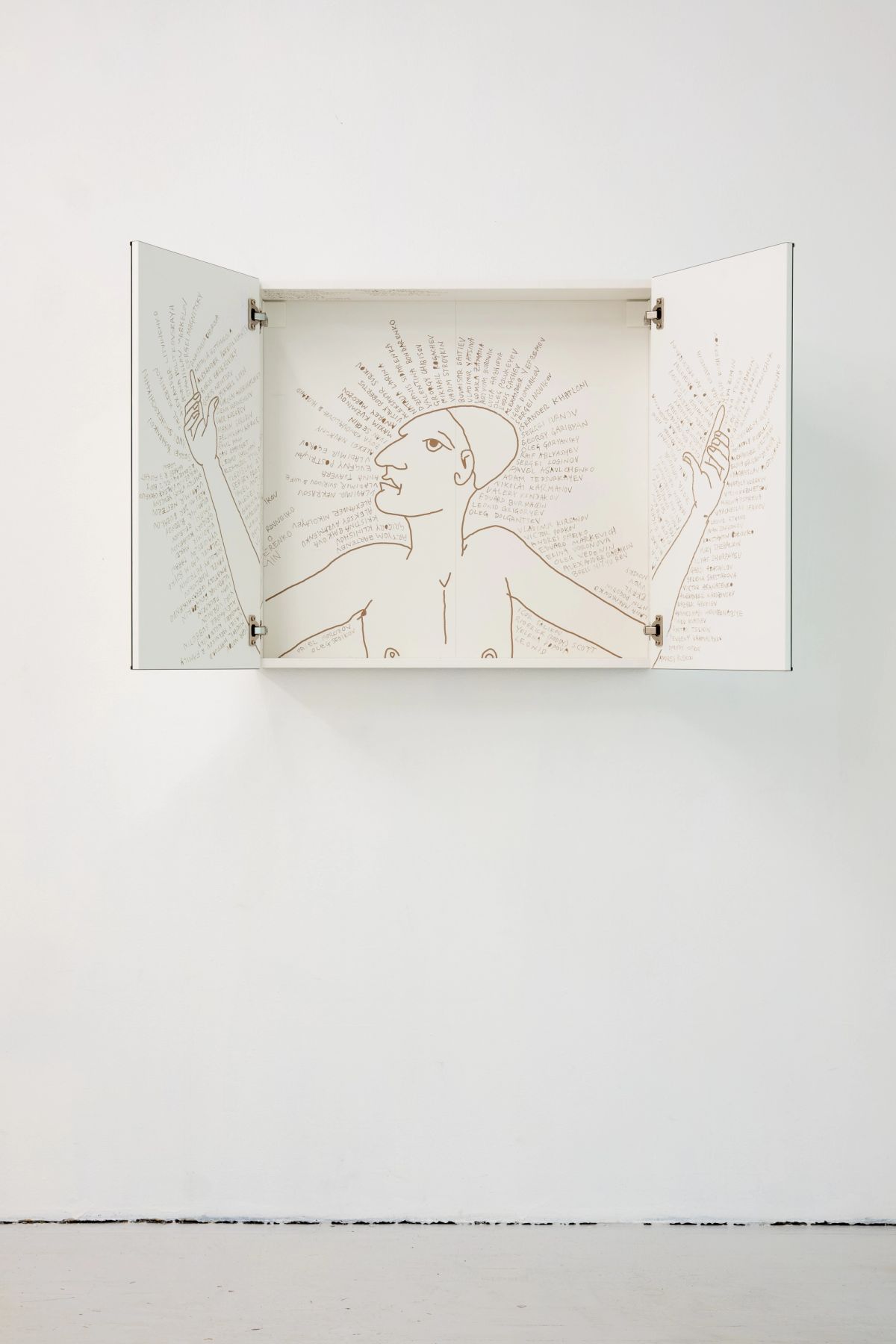
Appearing in late medieval manuscripts, the Wound Man is a diagram of various injuries, all inflicted on the same figure, and accompanied by notes for doctors about often bizarre cures.
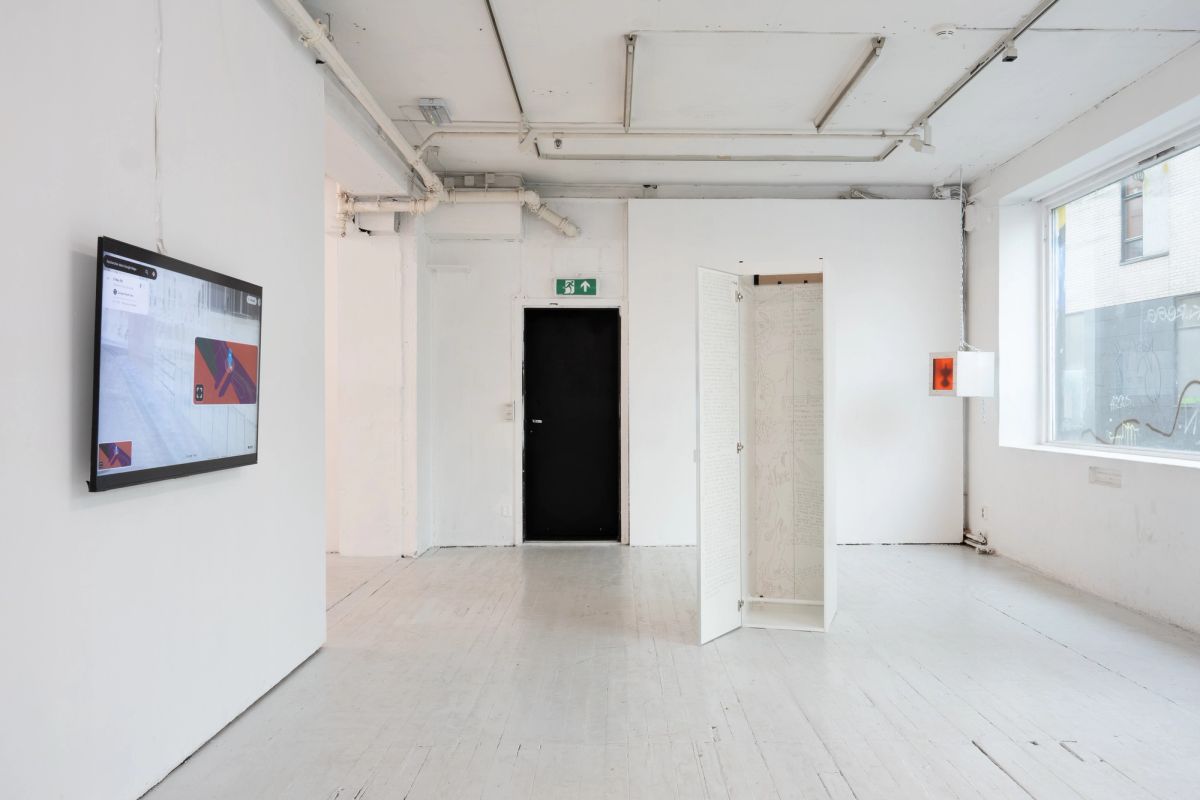
In the hands of Ellinor Aurora Aasgaard & Zayne Armstrong, the medieval conditions have been replaced by contemporary ones like ‘protest tinnitus’ and ‘fascist myopia’. These lines are scraped, graffiti-like into the inner surfaces of IKEA furniture, the kinds of panels that litter the streets of many cities.
The body here is a proxy for the body politic, held responsible for societal wounds, while offering (enraged) constructive criticism as cures. Can we find ways to heal, or has the disease gotten a grip too strong for us to retaliate?
JAKOB SITTER
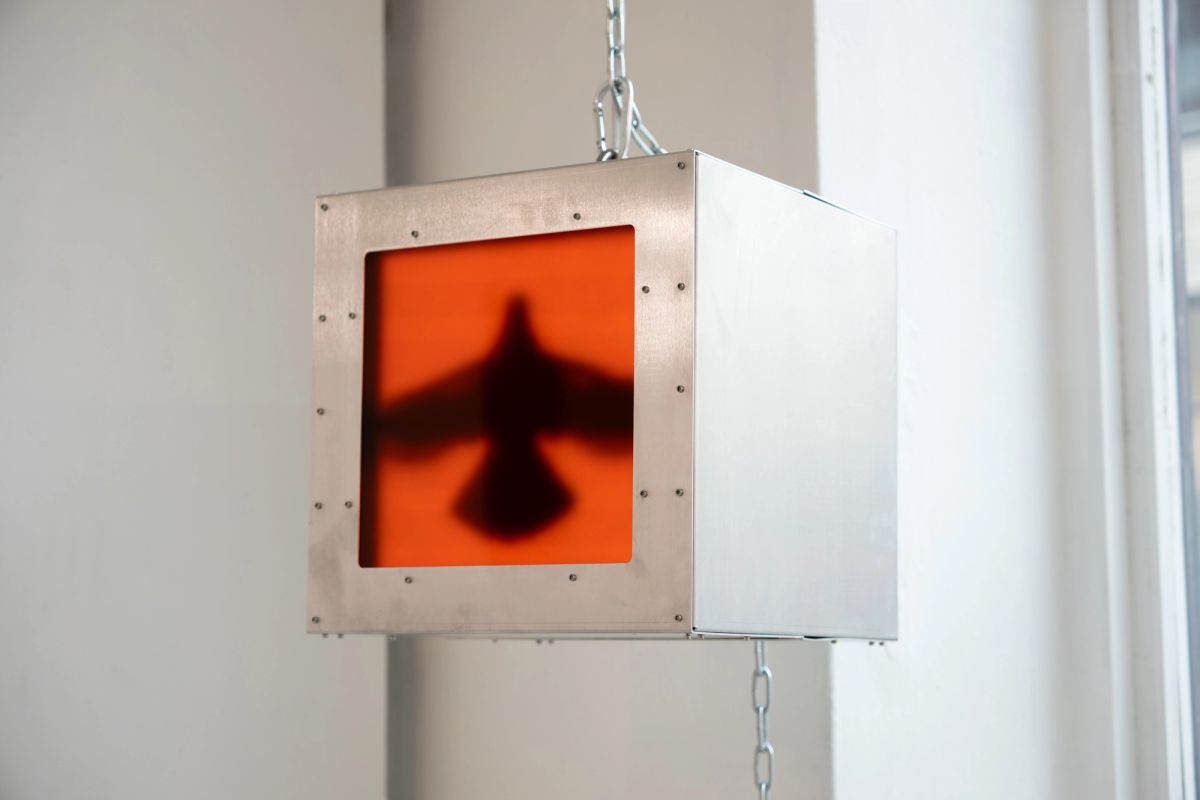
AI-driven systems have increasingly come to shape our perception just as much as behavior. In his sculpture, Jakob Sitter examines the self-fortifying loops that govern these digital and economic realities.
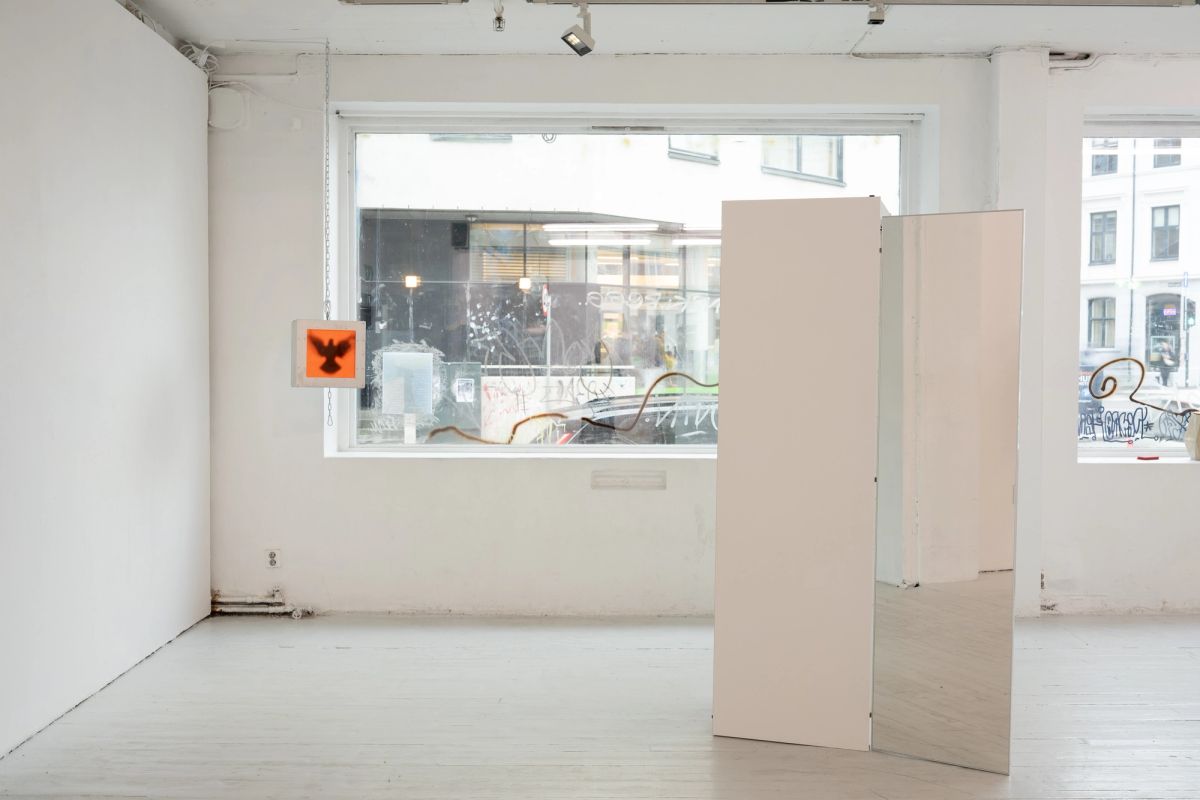
Departing from B.F. Skinner’s experiments in operant conditioning, where pigeons became test subjects for behavioral reinforcement, Sitter discloses how these systems are designed to extract, predict, and control; following Skinner’s findings, today’s AI-driven behavioral tracking and decision-making structures do not merely influence actions; they define the conditions under which choices can be made.
By materializing these forces, Sitter makes visible the architectures of control that persist even after their function has collapsed. His hanging sculpture does not only depict a future where humans are directly controlled by machines. Rather, it reveals systems that have become self-perpetuating; processing empty transactions, enforcing patterns, and seeking rewards with no need for a conscious subject.
MORGANE BAFFIER
Twelve years ago, James Howells got rid of a laptop hard drive containing a private key for 8.000 Bitcoin by mistake in the Docksway landfill in Newport, Wales. Ever since, he's been on a desperate quest to retrieve the hard drive which now holds the key to a fortune with a net value of roughly 1.2 billion dollars.
This modern-day epic acts as the framework for Morgane Baffier’s video work the story of james howells in the exhibition, making Howell’s story the image of both the dream of sudden wealth, and the fear of financial loss, that rules our fiscal system.
For the opening of the exhibition, Morgane Baffier will take the audience beyond Howells crisis through her performance A Lecture on the crisis, in which she questions our very concept of the word «crisis». Pedaling through curves of several historical crises, she will propose three absurd theories that explains how we find ourselves in a reoccurring and never-ending state of crisis.
JENS MASIMOV
Jens Masimov’s artistic practice revolves around the things that bring people together, from rituals to sport events and parties. Through sculptures, installations, and performance, he enables interactions across cultural hegemonies.
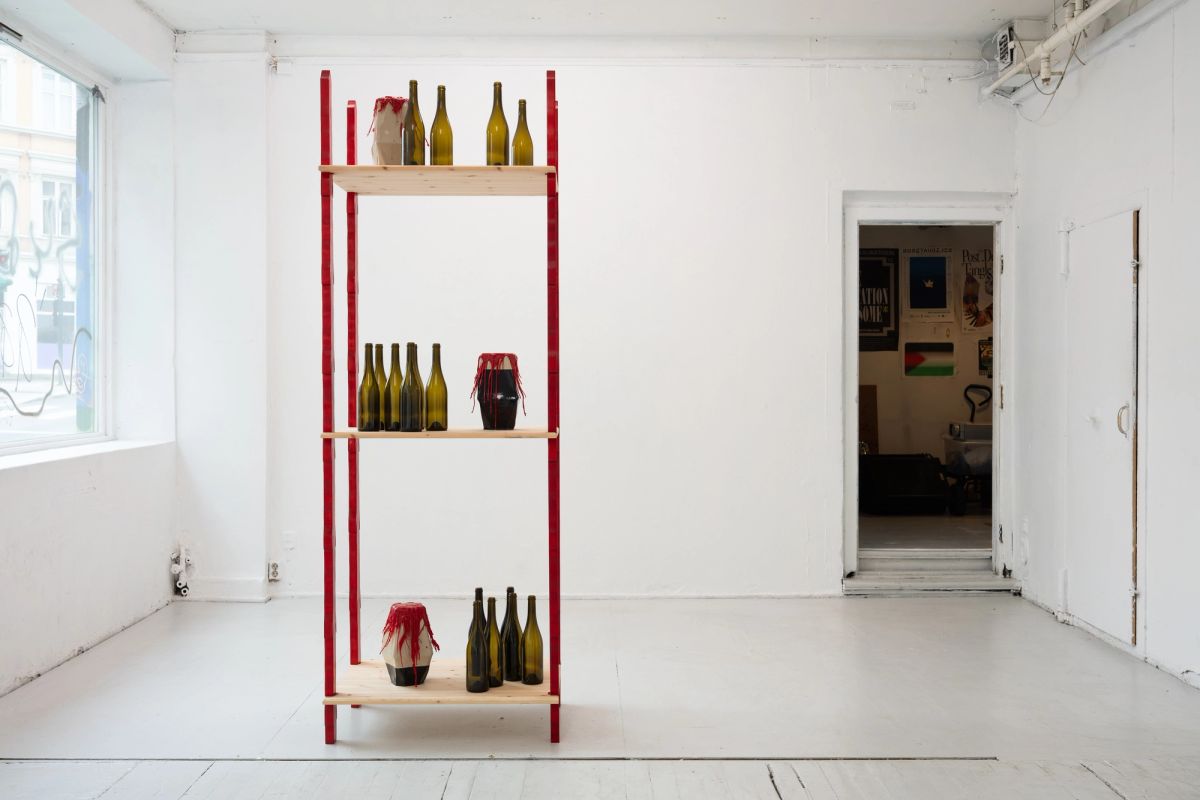
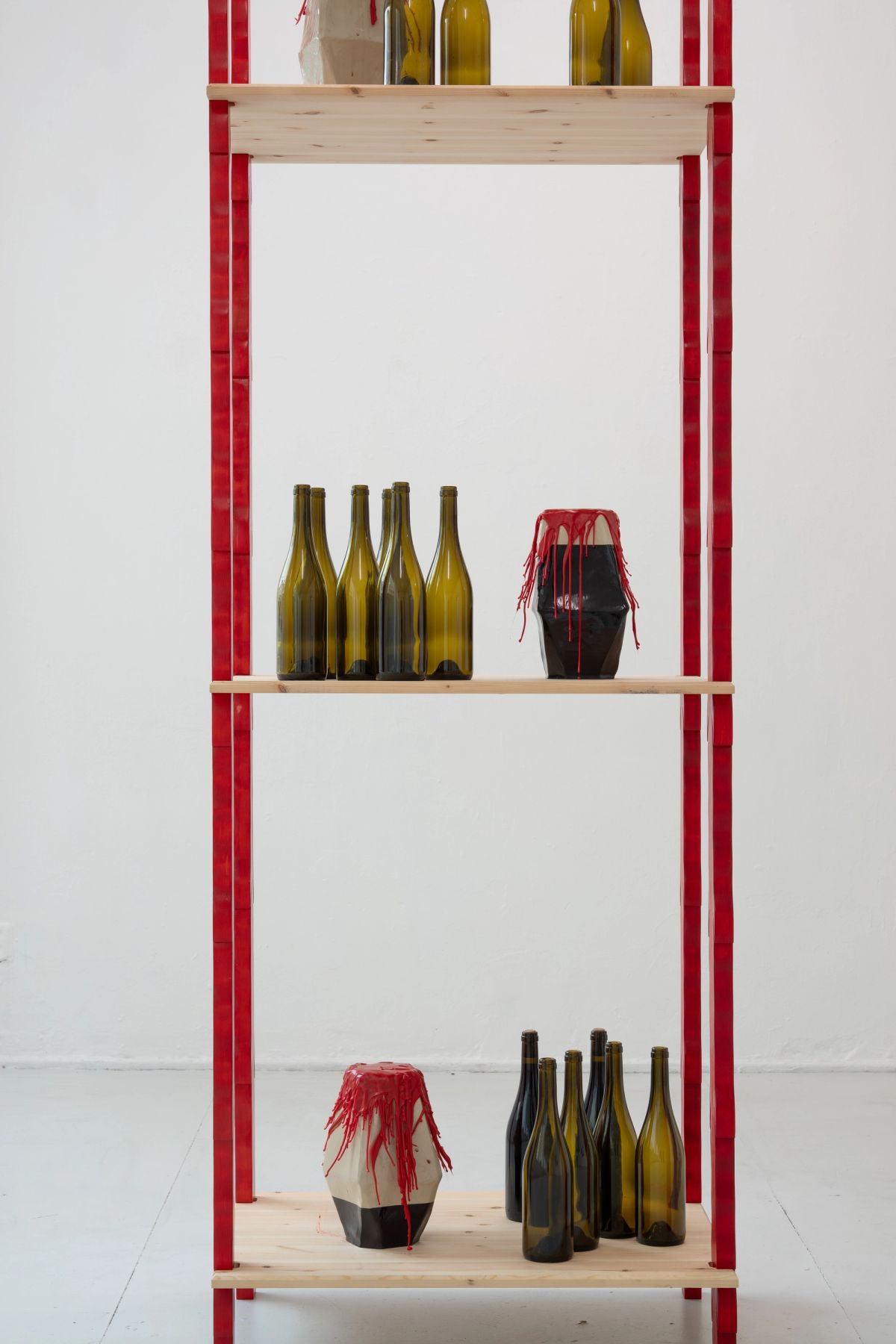
In Travail Utile, Fatigue Inutile, Masimov presents the result of his one-year-long collaboration with vineyard Domaine Annivy, in Saumur enabled through the winemaker Marius Bielle and wine critic and heavy metal drummer Johanna Holt Kleive; a series of young wines produced in Saumur, accompanied by ceramic vessels and a wooden structure.
By merging his own winemaking practice with the one of regional natural vineries of Lorraine, Masimov has immersed himself into the tradition of French winemaking, the industry that surrounds it, and the challenges currently posed to it as a result of human overconsumption and natural destruction.
SELMA SELMAN
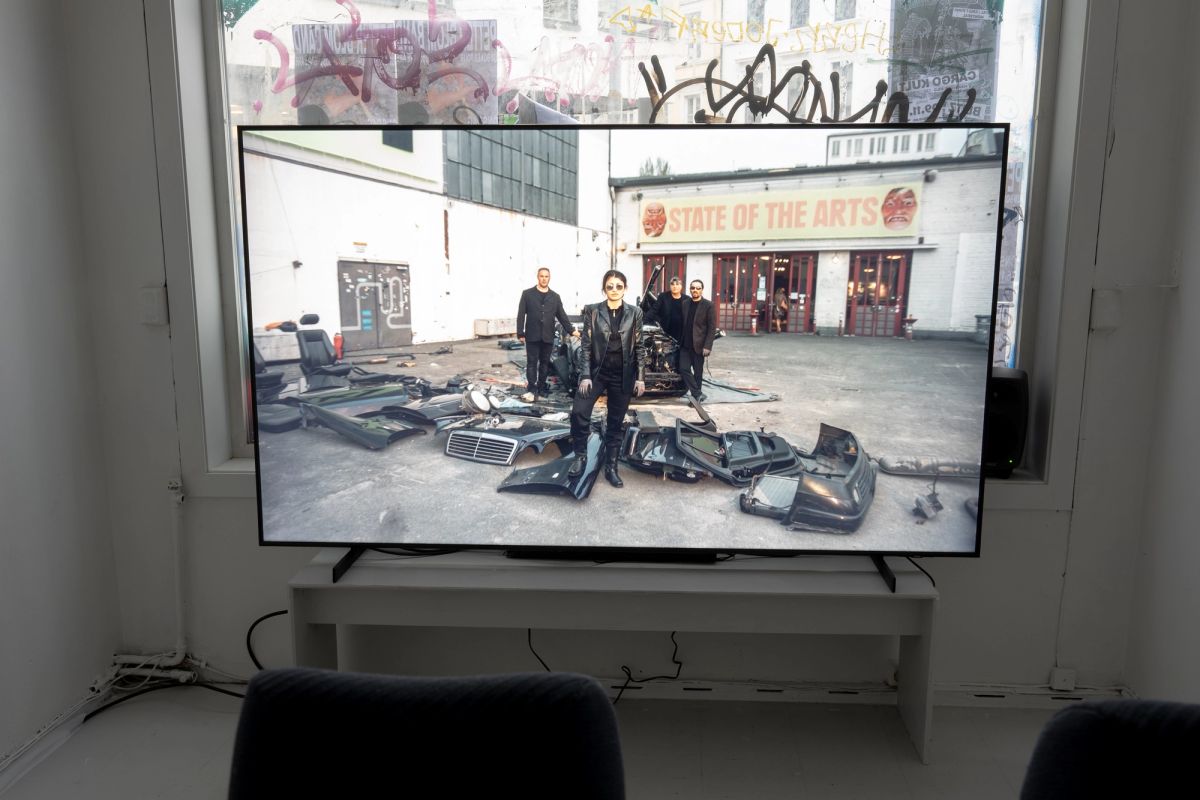
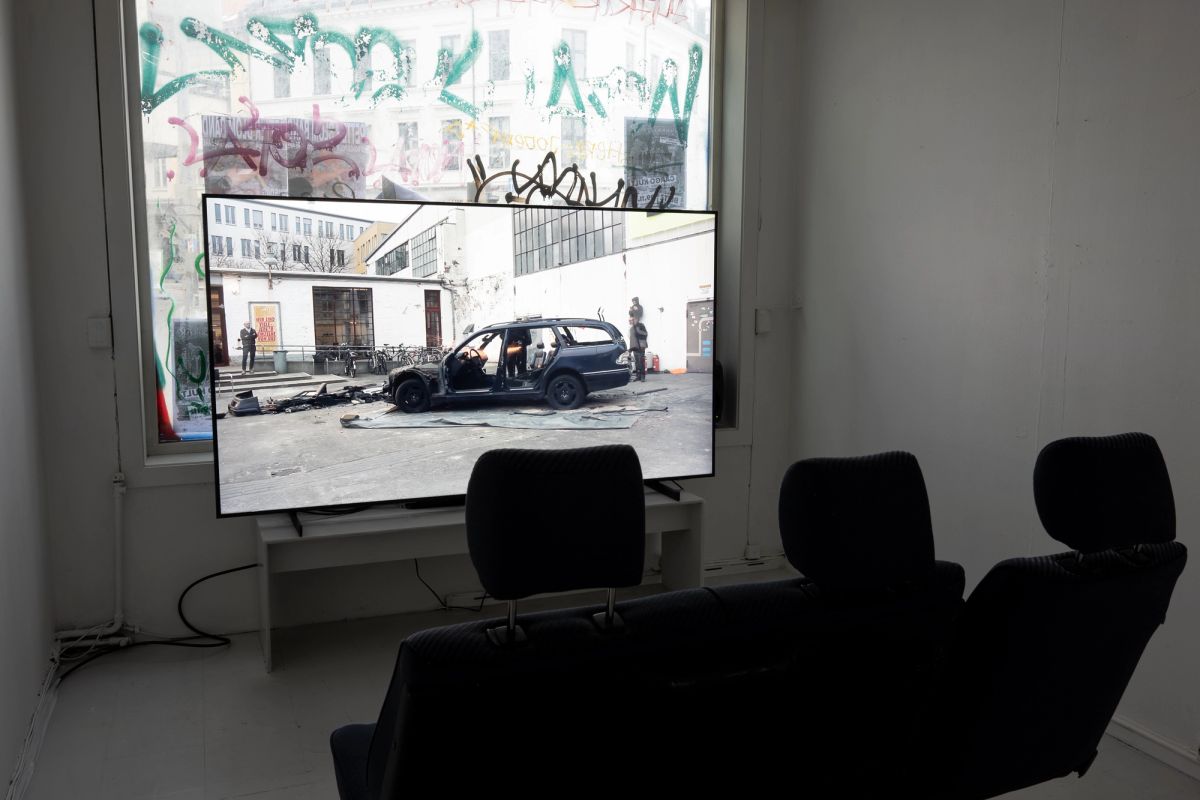
In 2019, Selma Selman performed the piece Mercedes Matrix in Hamburg. Together with a group of family members, she dissembles a car, a black Mercedes to be precise. In so doing, Selman drives our attention towards invisible forms of labor – the work it takes to take something apart, is often disregarded in our continuous strive towards progress and development.
The documentation video, included in this exhibition shows only clips from the performance. Beyond the visuals, we can also catch parts of the text-based audio piece that accompanied the performance, where Selman explains her intention: to integrate her family’s labor for survival in her art. Following this, the work points to the then on-going economic crisis in Bosnia-Herzegovina, which hit especially hard amongst the country’s Roma population by reinforcing previously existing discriminatory structures, such as lack of access to education and government aid.
By bridging her art labor with the labor of her family, Selman points to the possible transmutation of value which can be harvested both through redistribution of scrap metal and artistic work. Though not viewed as lucrative within our current neoliberal value system, both these forms of work hold a potentiality in the sense that they are not driven by linear growth, but rather more circular understandings of time and resources.